Books Read in August, part 3

Ethan Frome

By Edith Wharton, published 1911

“‘That man touch a hundred? He looks as if he was dead and in hell now!’

“Harmon drew a slab of tobacco from his pocket and cut off a wedge and pressed it into the leather pouch of his cheek. ‘Guess he’s been in Starkfield too many winters. Most of the smart ones got away.’

“‘Why didn’t he?’”

This is if the proverb “marry in haste, repent at leisure” was a novella. It is elegantly spare and short, and honestly, more words would make it more melodramatic and not improve the story. It feels a bit like a thriller: the creeping dread of the frozen winter landscape, Zeena’s ominous silences, the difficult financial situation closing in on Ethan, etc.

People cope with unhappiness in different ways, and you know from the outset that this story is going to be tragic, but it’s hard to look away. Wharton unspools the story so you want to know what will happen with these people, even though you are sure the ending won’t be happy.

This one will stick with you, and while it is tragic, it is also so well written.
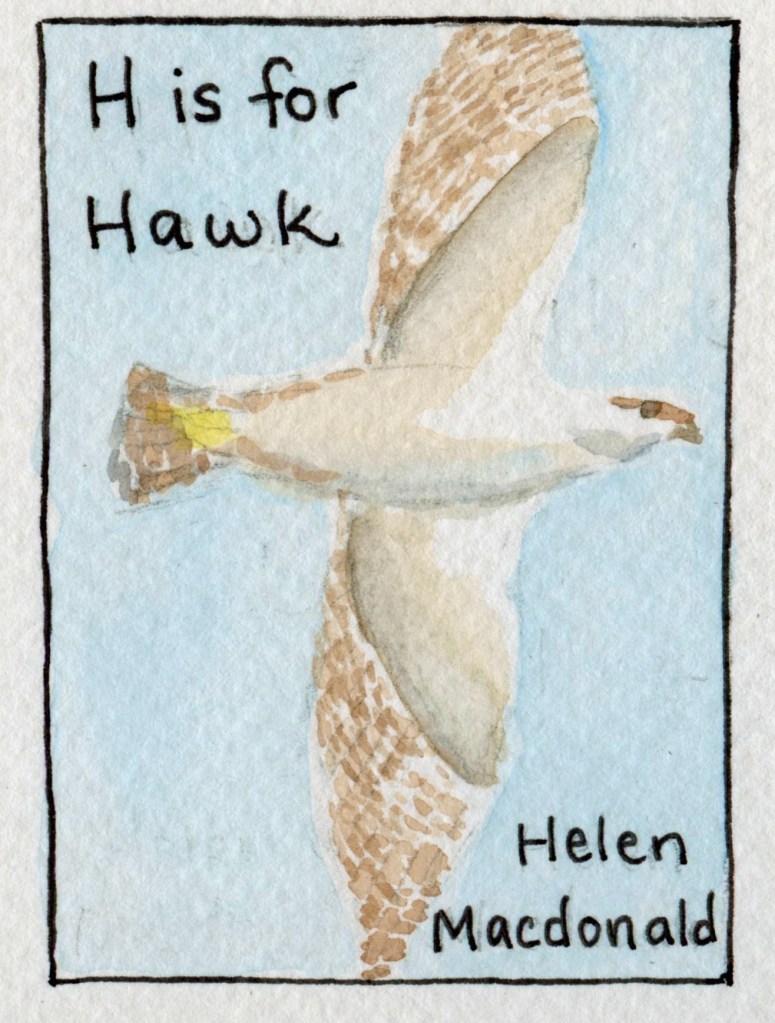
H is for Hawk

By Helen Macdonald, published 2014

“The man pulls an enormous, enormous hawk out of the box and in a strange coincidence of world and deed a great flood of sunlight drenches us and everything is brilliance and fury. The hawk’s wings, barred and beating, the sharp fingers of her dark-tipped primaries cutting the air, her feathers raised like the scattered quills of a fretful porpentine. Two enormous eyes. My heart jumps sideways. She is a conjuring trick. A reptile. A fallen angel. A griffon from the pages of an illuminated bestiary. Something bright and distant, like gold falling through water. A broken marionette of wings, legs and light-splashed feathers.”

This book weaves three strands together: a memoir of grief after the sudden death of the author’s father, nature writing about falconry, and a partial biography of T. H. White.

You might not think these would mix well, but in Macdonald’s hands they do. Her journey of grief therapy via falconry and White’s are parallel in interesting ways, and having a way to work through grief is important. The way she describes losing herself in the process of training her goshawk, Mabel, is so real and raw. Retreating from civilized and oppressive humanity and into the wildness of her predator hawk makes sense as a coping mechanism when the grief is too much. Everyone grieves in their own way, and Macdonald is generous in describing hers and White’s. The nature-writing descriptions of flying her hawk are also so lovely and vivid.

The pace is deliberate, and I read it slowly, which I think helped me get through it–a memoir of grief can remind you of all your own griefs, which is sometimes helpful and sometimes painful. While we feel alone in grief (and that is on display in this book), grief is also common to all, and that is recognizable here.

Books Read in July 2025, Part 1

Murder Must Advertise, by Dorothy Sayers

Published 1933

In this installment, Lord Peter goes undercover as an employee at a London Advertising Agency. One of the agency’s employees has fallen down a stairwell to his death, and the man in charge is not sure if it was accidental or not. Lord Peter quickly discovers that there is a link between the firm and a drug dealing operation and must use his wits and his working-class man disguise to get to the bottom of the murder and the drug ring. 

The agency had strong Mad Men vibes; just change the time period to the early 1930’s with slightly less alcohol (slightly). The office culture feels creative and chaotic, with different departments getting in each other’s way and with the petty rivalries that accompany most office dramas. 

It’s a different setting for Lord Peter, which was a nice change of pace, and I enjoyed this installment more than the previous Scottish artist installment. 

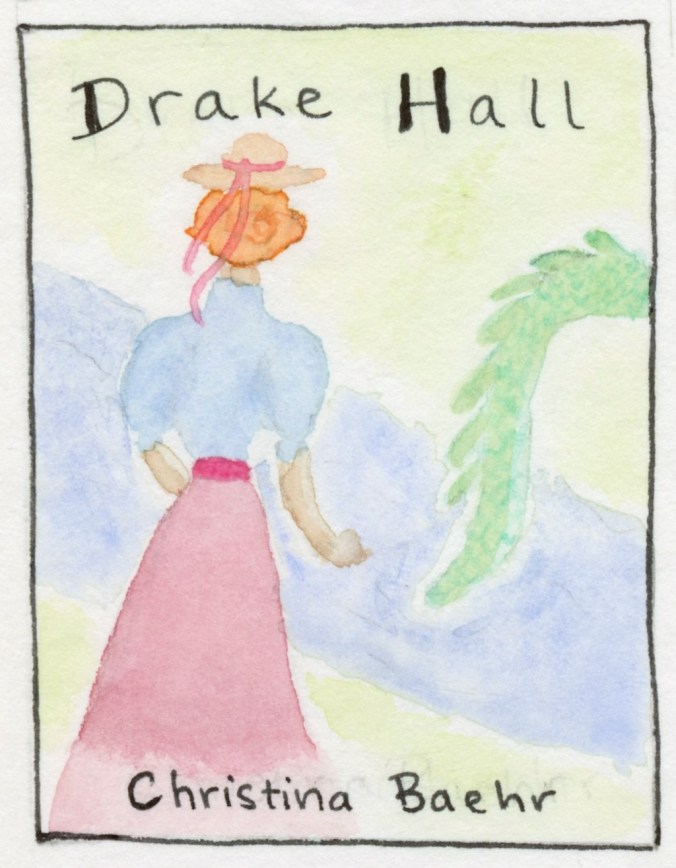
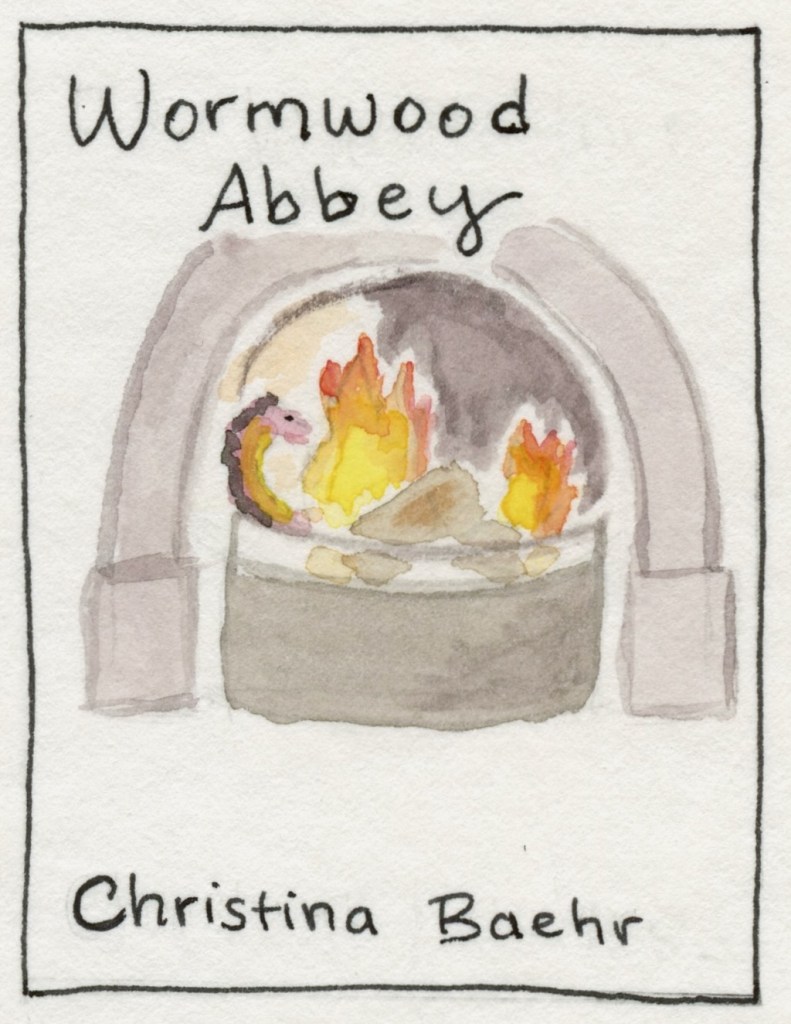
Wormwood Abbey and Drake Hall, by Christina Baehr

Published 2023, 2024

My Mom recommended this YA series “The Secrets of Ormdale” as a“wind down before bed when you’re stressed out from studying” read, and they definitely worked for that purpose! 

Edith Worms and her family relocate to her father’s ancestral home in northern England when his brother and nephew are killed and he inherits the estate (it’s 1899 and therefore preposterous to think that her female cousin might inherit). 

The house and her cousin are somewhat dark and dour, clearly hiding secrets from Edith and her family. The attractive young man from the neighboring estate seems to be in on the secrets as well, and Edith has to unravel what is going on and also why they are so keen to keep these secrets from the outside world. There may be dragons involved…. 

I would describe these (and the author similarly describes them) as “cozy, light gothic vibes” books (do not fear: tea is served at regular intervals). They are fast-paced, appropriate for middle grade readers, and each book is pretty short (there are 5 in the series). Each subsequent book picks up right where the previous book leaves off. These are not earth-shattering, but are entertaining;  Victorian England + dragons is a fun combination, and the author clearly set her book in this time period to give nods to classic 19th century British authors. I am not sure if I will continue the series, but twelve-year-old me probably would have enjoyed them, and while there are some darker topics hinted at, they are handled with a light age-appropriate touch. 

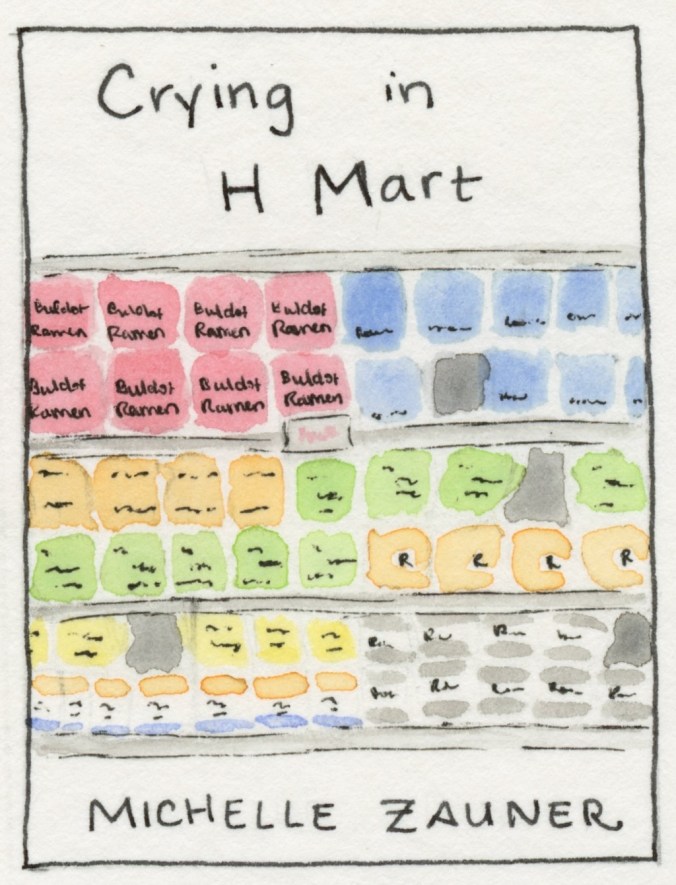
Crying in H Mart, by Michelle Zauner

Published 2021

There are times in our lives that are important milestones for looking back, for contemplating our lives and relationships, and reinterpreting them in light of what we have learned. There are things that are part of me at age 39 that I couldn’t have adequately explained or known at age 29. 

Memoirs are a way of recontextualizing our lives, of telling a story about who we are and how we got there. Here Michelle Zauner explores her complicated relationship with her mother after her mother’s death from cancer. 

It is a way of honoring her mother and her own journey, and a way of trying to tell the truth about who her mother was and work through her emotions and judgments now that her mother is gone. Food was a central way her mother showed her love for her daughter and for the people around her, which is something I love: food is such a central part of being human and the food of one’s childhood is especially powerful. Zauner’s descriptions of Korean food made me immediately want to head to my nearest Korean restaurant and order one of everything, and it also made me think about some of the food of my childhood and the meals my family ate that are such a part of me—food can be a time travel device to memories and cooking can be therapy. 

I enjoy learning about people and about food, so this was in a great intersection for me. It is also about reflecting on the death of a parent, so just know going in that it will be both mouth-watering and also tear-inducing. Kind of like life. 

My husband pointed out that while I have read multiple memoirs over the past few years, they are all memoirs written by women. Maybe I need to expand my memoir range–if you have any suggestions written by men, I am open to those! Especially if they have descriptions of food.