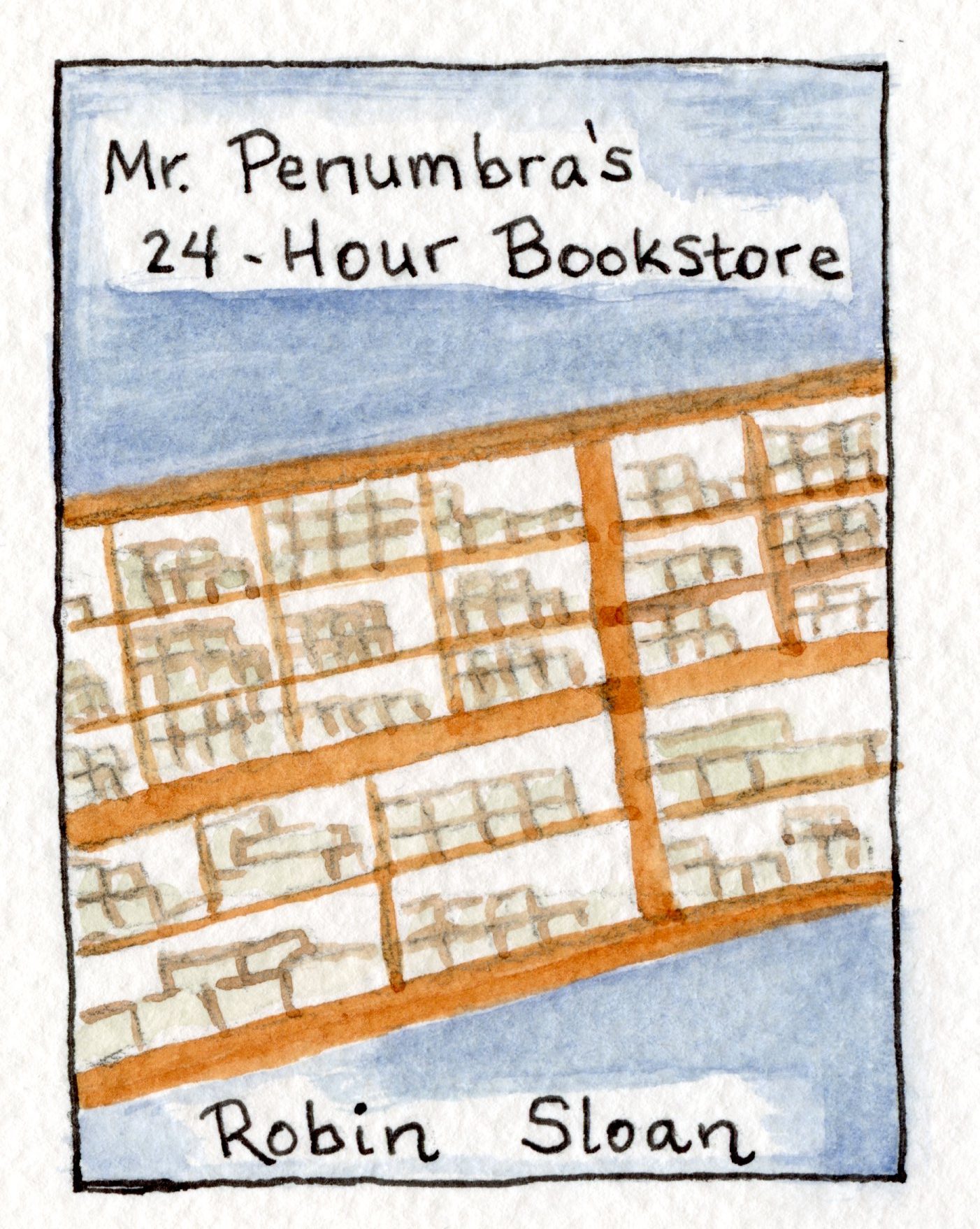
Mr. Penumbra’s 24-Hour Bookstore
by Robin Sloan, published 2012
A young man goes on a quest to discover the truth behind the strange bookstore where he works. An optimistic story with very early-aught tech vibes.
Sad Cypress
by Agatha Christie, published 1940
Bookended by a trial for murder, most of the action takes place in the recent past, with Hercule Poirot investigating in the present to discover if the woman on trial really poisoned her romantic rival (and maybe her rich elderly aunt for money?).
Cat Among the Pigeons
by Agatha Christie, published 1959
Set at a girls’ school, Hercule Poirot is not called in until late in the story. Most of the story is the headmistress of the school trying to keep it all together in the face of murder.
A Drop of Corruption
by Robert Jackson Bennett, published 2025
Second in a series, it is a murder mystery set in a fantasy world, raising questions about empire-building, identity, and allegiance along the way. It’s a murder mystery first, just with a fantasy overlay.
Mrs. McGinty’s Dead
By Agatha Christie, published 1952
A young man supposedly murdered his landlady for a few pounds, but the investigating police officer is not so sure. With a dearth of suspects, he calls in his old friend, Hercule Poirot, to investigate the village for the true murderer.
Persuasion
By Jane Austen, published 1818
Eight years ago, Anne Eliot and Frederick Wentworth broke off their engagement. Now they meet again, but will they work things out this time or go in different directions? One of Austen’s most restrained heroines is overlooked and undervalued by her family, though appreciated by people of sense and taste.
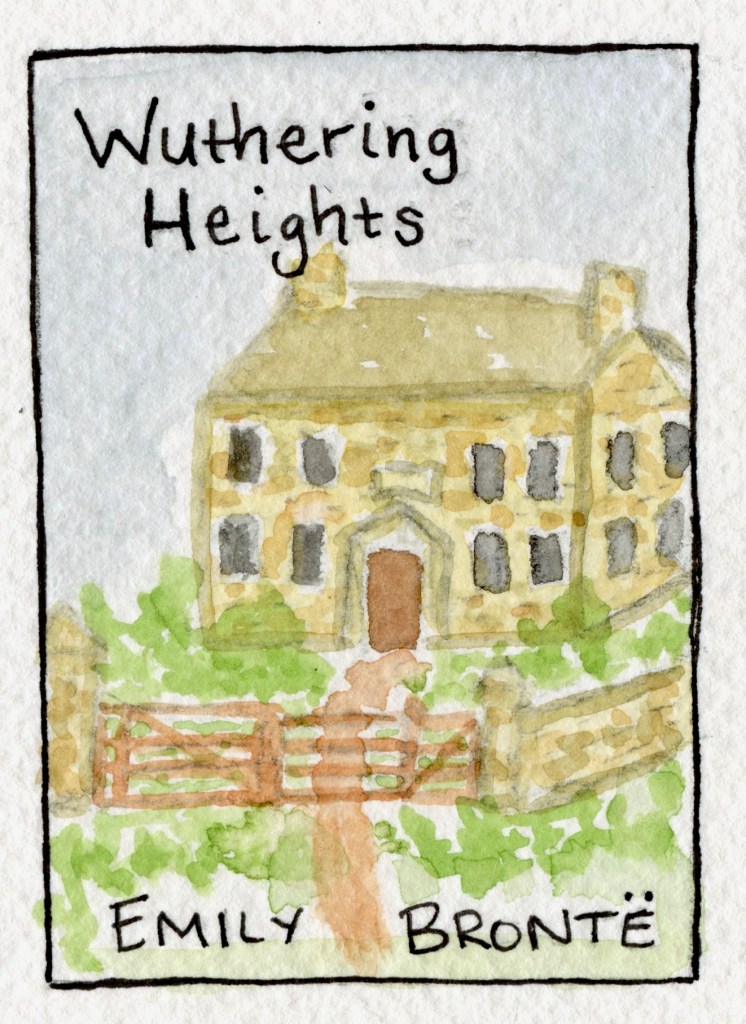
Wuthering Heights
By Emily Brontë, published 1847
19th century claustrophobic angst, obsession, and generational trauma! Most screen adaptations leave out the second half of the novel, which is about the next generation dealing with their parents’ bad choices. Not a super fun hang, but plenty of meat on the bone to discuss.
Miss Marple: The Complete Short Stories
by Agatha Christie, compilation; stories published between 1932-1979
Miss Marple really shines as a detective in short stories. She leans into her reputation as a village gossip and keen observer of human nature, and gets to the bottom of mysterious events with a devastating knack. She pushes aside the superfluous to get to the truth. Favorite story: The Herb of Death.
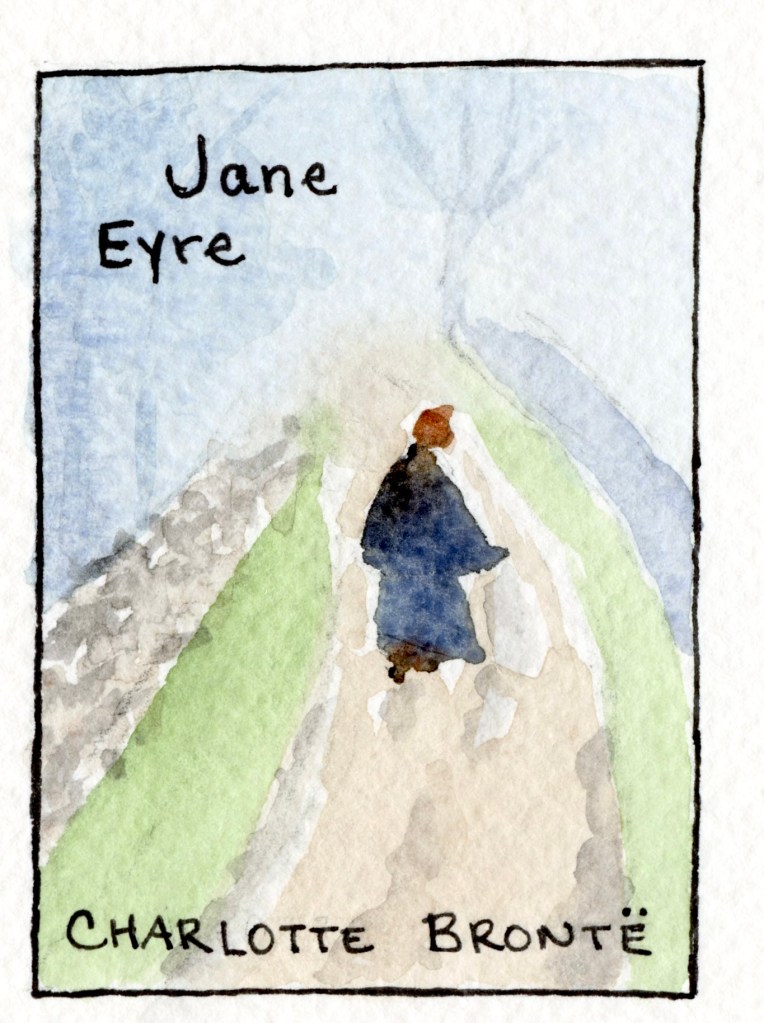
Jane Eyre
by Charlotte Brontë, published 1847
“Do you think, because I am poor, obscure, plain, and little, I am soulless and heartless? You think wrong!—I have as much soul as you,—and full as much heart!… It is my spirit that addresses your spirit; just as if both had passed through the grave, and we stood at God’s feet, equal,—as we are!”
Jane demands to be taken seriously, and stays true to herself and her moral compass throughout, starting as an unloved orphan, through her time as a governess and beyond. I loved this as a teenager and love it still.
The Second Estate: How the Tax Code Made an American Aristocracy
by Ray M. Madoff, published 2025
“For many wealthy Americans, taxable income has become a matter of choice.”
Professor Madoff outlines the way that a combination of wealthy Americans exploiting tax loopholes and Congress failing to continue to reform tax law in a way that meaningfully closes those loopholes has led to our current tax situation where the middle class and upper middle class pay most of the taxes and the very wealthy just opt out.
She outlines the loopholes, makes clear the way that the public has been deceived into thinking the system is fairer than it is, and proposes some solutions for making the tax code actually fairer (repealing the estate tax, make inheritance and investment income the same as all other income, tax unrealized gains upon the death of the original owner, and reform rules about donor-advised funds and family foundations).
This book is only 175 pages, and while there is some technical language, it is more readable than I expected. Also, it’s infuriating that the wealthiest Americans do not support our country while reaping the benefits of living, working, and extracting wealth from America.
Dead Man’s Folly
by Agatha Christie, published 1956
Poirot is called in by his novelist friend, Ariadne Oliver, because she’s organized a murder hunt and the vibes are off. When the fake murder victim is actually murdered, and the lady of the house disappears, Poirot must unravel the mystery. I always enjoy Christie, but I wouldn’t say this is top-tier.
Discover more from Austin Fey
Subscribe to get the latest posts sent to your email.
